Essential Skills Every Child Should Learn Before Kindergarten
If your child is heading to kindergarten soon, you may be wondering if they are truly ready. Maybe they can count to 20, recognize a few letters, or even write their name. Or maybe they are not quite there yet, and you are starting to worry a little.
If you are feeling that way, you are not alone.
Kindergarten readiness is about much more than academics. In fact, many children who adjust well to kindergarten are not the ones who walk in knowing the most letters or numbers. They are often the ones who can follow directions, communicate their needs, and work through everyday challenges with growing independence.
The good news is that these skills for preschoolers are not something you have to formally teach. They grow naturally through play, routines, and everyday life at home.
Let’s look at the skills that matter most before kindergarten and some simple ways to help your child build them.
What Are Kindergarten Teachers Really Looking For?
Kindergarten teachers are looking for more than academic knowledge. They want to see children who can function in a classroom, and that means watching for skills you might not expect.
Most parents think kindergarten readiness is mostly academic. And yes, it helps if children have been exposed to letters, numbers, books, and early writing.
But teachers are also watching something else closely.
- Can they follow a two-step direction?
- Can they take turns with other children?
- Can they ask for help when they need it?
- Can they recover when something doesn’t go their way?
These are the skills children use all day long in a classroom. It helps to think of academics as the tools, but these early learning skills are what help children actually use them.
Why Does Independence Matter Before Kindergarten?
Independence matters before kindergarten because children spend most of their school day navigating tasks without a parent there to help. This doesn’t mean doing everything perfectly. It just means trying.
One of the biggest shifts before kindergarten is learning how to start doing things without needing an adult for every step.
This looks like:
- Trying to put on shoes before asking for help
- Walking over to get what they need instead of waiting
- Opening their snack or lunchbox on their own
- Starting a small task without being told multiple times
When your child says “I can’t do it,” instead of jumping in right away, you might say, “Try one more time before I help you.” That small pause is where independence starts to grow.
What Language and Communication Skills Do Preschoolers Need?
Preschoolers need to be able to speak clearly, listen carefully, and express their needs before they walk into a kindergarten classroom. Children use language all day long in kindergarten. They listen to directions, answer questions, participate in discussions, and communicate with classmates.
Before kindergarten, it’s helpful for children to practice:
- Speaking in complete sentences
- Following simple directions
- Listening during stories
- Asking questions
- Expressing their needs and wants
One of the best things you can do is encourage your child to use their words. Asking questions, sharing ideas, and letting an adult know when they need help are all important preparation for kindergarten.
What Early Math Skills Should Preschoolers Have?
Early math skills for preschoolers go far beyond counting to 10. Many parents focus on counting, but early math includes much more than saying numbers in order.
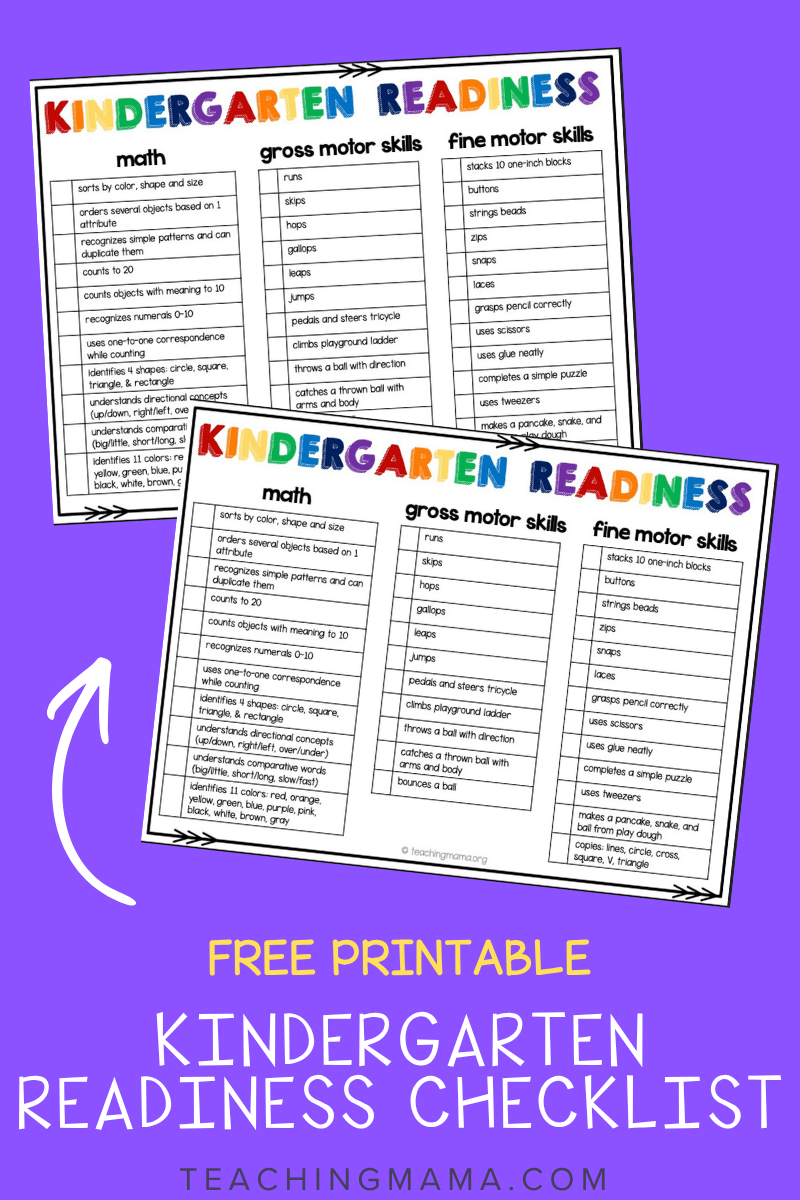
Kindergarten teachers often look for children who can:
- Count objects accurately
- Recognize some numbers
- Sort items by attributes
- Identify simple patterns
- Compare quantities
For example, understanding that five crackers and five blocks represent the same quantity is an important math concept. Counting skills like this develop naturally when you include your child in everyday activities.
The best part is that you don’t need to create extra math lessons. Everyday routines like setting the table, grocery shopping, and cleaning up provide plenty of opportunities to practice these preschool activities.
Why Are Social and Emotional Skills So Important for Preschoolers?
Social and emotional skills are some of the most important skills for preschoolers because they affect how a child functions in every part of the school day. If I had to choose one area that makes the biggest difference during the transition to kindergarten, it would be social and emotional development.
In a classroom, children are constantly navigating relationships, solving conflicts, waiting for turns, and managing big feelings.
Some helpful social skills for preschoolers include:
- Taking turns
- Sharing materials
- Following group expectations
- Expressing feelings with words
- Asking for help
- Working through frustration
This doesn’t mean children should never get upset. In fact, learning how to handle disappointment is part of the process.
When your child gets frustrated because a tower falls down or a game doesn’t go their way, resist the urge to fix everything immediately. Instead, help them work through it. Those moments build resilience, problem-solving skills, and confidence. This is what emotional development in preschoolers looks like in real life.
What Fine Motor and Gross Motor Skills Do Preschoolers Need?
Fine motor and gross motor skills are both essential for kindergarten success, and they’re easier to build than most parents think. They show up in everything from holding a pencil to running on the playground.
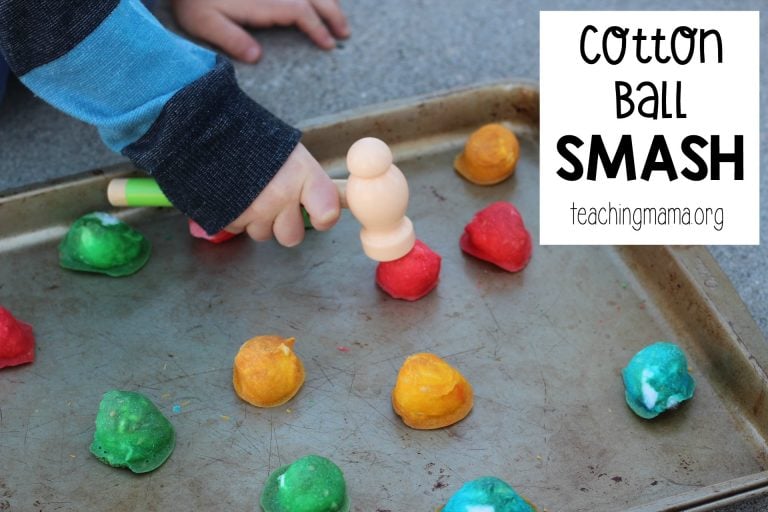
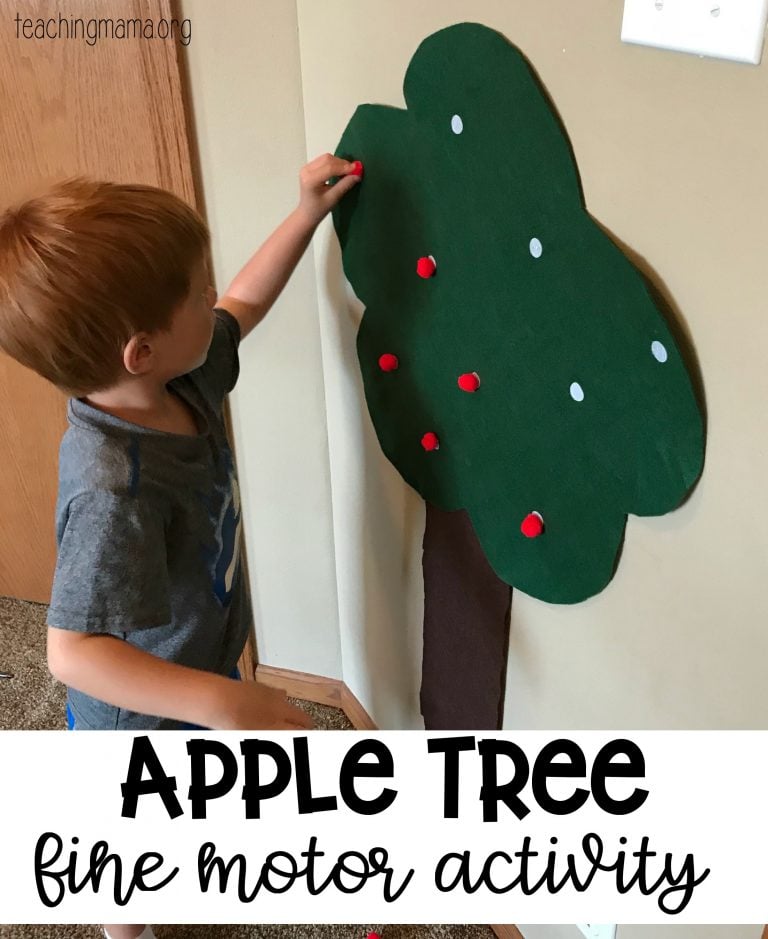
Fine motor skills help children hold crayons, use scissors, manipulate small objects, and begin writing. Gross motor skills help children run, jump, climb, balance, and participate in physical activities.
Some simple ways to strengthen these fine motor skills include:
- Playing with playdough
- Using child-safe scissors
- Building with blocks
- Drawing and coloring
- Playing at the playground
- Creating obstacle courses
- Dancing and moving to music
It might not look like learning, but squeezing playdough and peeling stickers are helping build the hand strength children need for writing. These fine-motor task cards are another easy way to keep practicing those skills.
What Cognitive Skills Should Preschoolers Be Building?
Preschoolers build cognitive skills every time they try to figure something out on their own. These are the thinking skills behind learning.
You see them when a child is:
- Trying to balance a block tower
- Working through a puzzle
- Remembering steps in a routine
- Figuring out what went wrong and trying again
Instead of stepping in right away, sometimes the most helpful thing is just giving them a moment. Or asking what they think they could try next.
- What do you think you could try?
- Why do you think that happened?
- Is there another way to do it?
Giving children time to think through problems helps build independence and confidence.
How Can You Support Your Preschooler’s Growth at Home?
The best thing you can do is stay involved in the small, everyday moments. Kindergarten is a big milestone for both kids and parents, and it can bring a mix of excitement and worry as you start thinking about what your child needs to know before that first day.
It really comes down to what you’re already doing in everyday life: talking with them, including them in routines, letting them try things on their own, and giving them time to work through small frustrations instead of stepping in right away.
And once school starts, this doesn’t stop. One of the best things you can do is stay connected with your child’s teacher and work together. Teachers see your child in a different setting, and that partnership helps support what your child needs both at school and at home.
At the end of the day, it doesn’t have to be complicated. It’s really just about giving your child space to practice independence, solve small problems, and step into kindergarten feeling like they can try things on their own.
If you’re looking for a simple, structured way to keep building these skills for preschoolers at home, The Preschool Box is a great resource. It’s a digital subscription box designed specifically for preschool-age kids, with activities that target exactly the kinds of skills we’ve talked about here.
Kindergarten is a big milestone for both kids and parents, and while it’s normal to have questions, I hope you can head into this next season feeling a little more confident.