The Best Snowman Books for Preschool (With Activity Ideas)
Whether you live somewhere with snowy winters or not, snowmen are an iconic image of winter in preschool. They bring a fun spirit of teamwork and creativity that children naturally enjoy. What better way to bring that into your classroom than a winter read-aloud with one of these snowman books for preschool? Even though I live in Hawaii with my two young sons, where there’s nary a real snowman in sight, they still love reading these picture books in winter while it stays a crisp 80 degrees.
Below, I’ve sorted my favorite snowman picture books by age, with books for toddlers and young preschoolers (ages 2 to 3) and books for older preschool and pre-K kids (ages 4 to 5). Each book comes with a simple companion activity to extend the story. Happy reading!
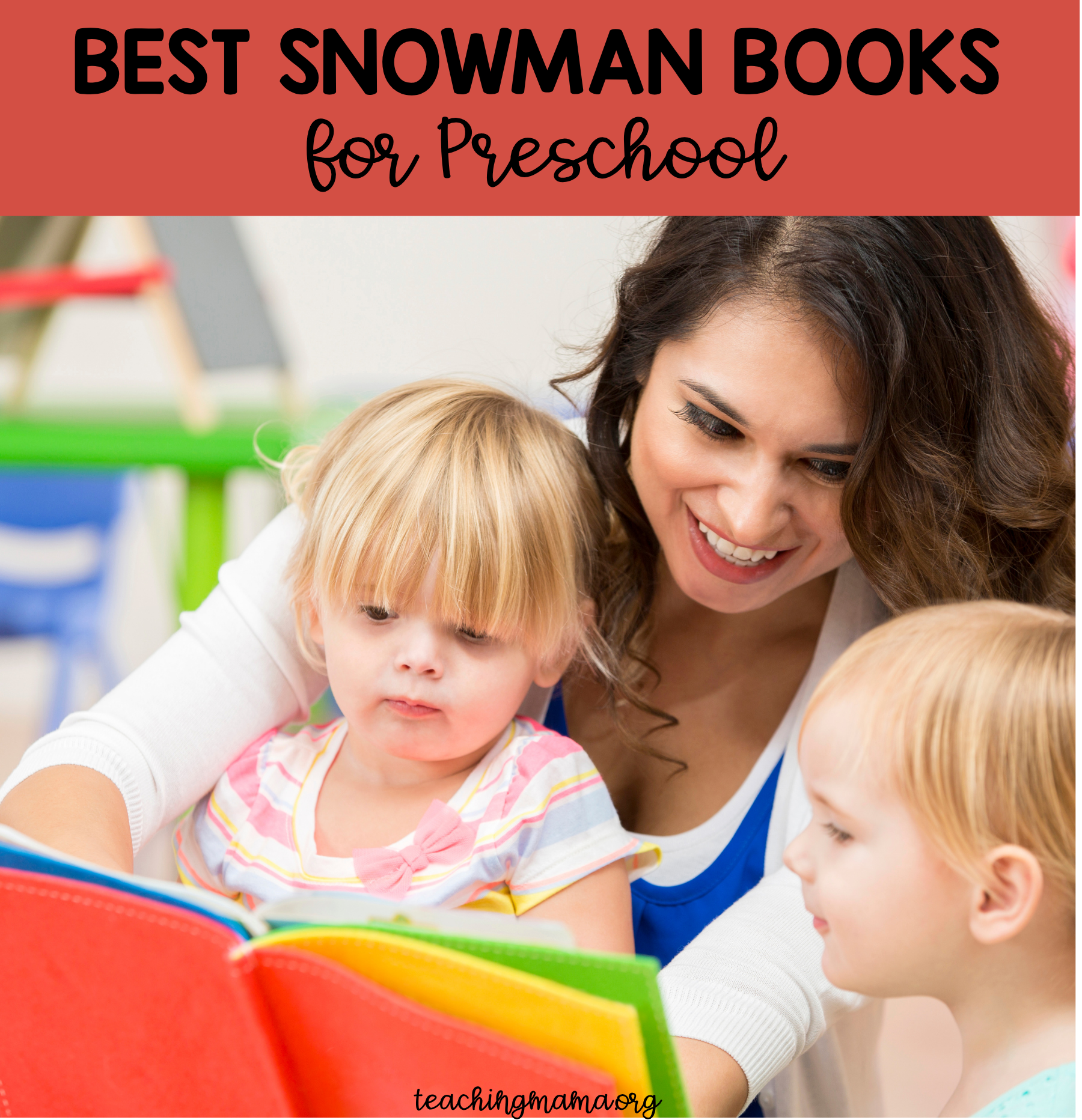
Using Snowman Books in Your Winter Preschool Unit
One reason snowman books are such a hit in a winter preschool unit is that they celebrate the season of winter rather than a specific holiday. Stories about particular winter holidays have their place in a diverse, inclusive classroom, but a snowman picture book is an easy home run for story time. Pair it with a themed activity, and you’re all set for a day of engaged learning! For even more ideas, see our best winter books for kids and snowman activities for kids.
Snowman Books for Toddlers and Young Preschoolers (Ages 2–3)
There are many children’s books about snow, but these are especially great for younger readers with shorter attention spans who are curious about snowmen.
Safety note: Several activities below use small items like buttons and pom-poms. For 2- and 3-year-olds, choose larger pieces and supervise closely.
The Snowman by Raymond Briggs
This is a classic for a reason! The illustrations are beautiful and timeless, and although the book has no words, it’s rich with story. I love it for younger readers because there are no long paragraphs, so if the group starts losing interest on a page, you can move at their pace.
Activity: “My Snowman Story.” Ask the children what they see happening on each page and narrate the story together. Write down their words exactly and add them to photocopies of each page. Keep your class’s shared story in the classroom, or make one for each child to take home as an end-of-year keepsake that parents will treasure.
Community Snowman by Deborah Kerbel
Like The Snowman, this book has no words. The story invites conversation about how we work together as a team and support one another, and the funny pieces used for the snowman’s face are sure to make your toddlers giggle!
Activity: Helper connections. Use this book as a springboard for talking about how we help each other. When you notice children being good helpers throughout the day, tie it back to specific scenes in the book. (“When you helped put the block on top of Millie’s tower, it was just like when the big kid helped put the snowman’s head on!”)
Building a Snowman by Jasper Bix
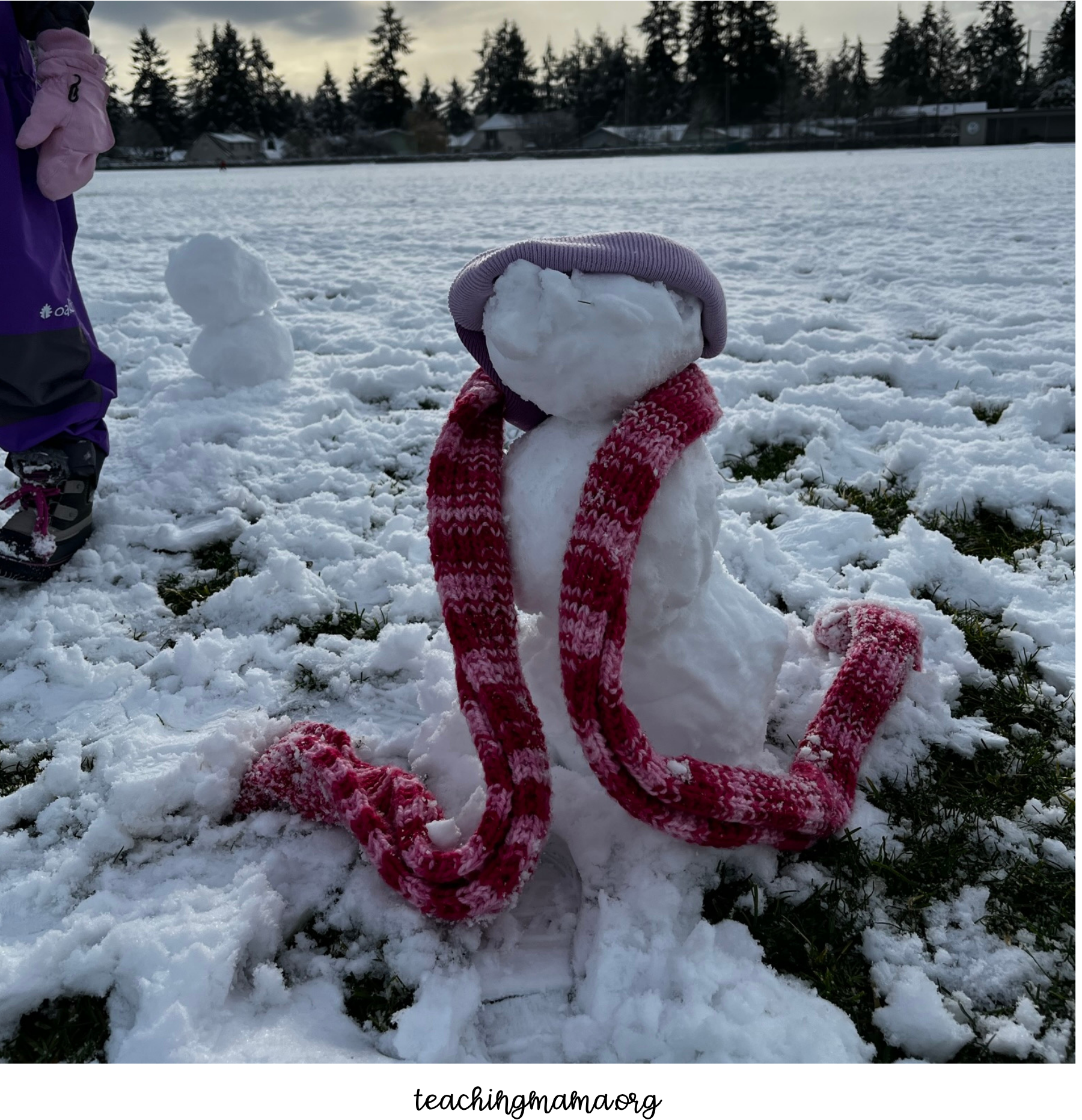
This nonfiction book follows a family as they build a snowman of their own. Think of it as a how-to book for snowman building, which is especially helpful for young children who don’t remember last winter or children in warmer climates who have never seen snow.
Activity: “Snowman Sensory Bin.” Sensory snow is super easy to make: mix about 2 1/2 cups of baking soda with 1/2 cup of hair conditioner for a crumbly texture that holds together well enough to build a tiny snowman. Add snowman accessories like buttons and sticks, or a few unexpected loose parts that might invite interesting play. Pair it with our building a snowman sequencing printable.
Frozen Noses by Jan Carr
The quick, simple rhyming structure is a big hit with younger readers, and there’s some great onomatopoeia in this book too!
Activity: Winter dramatic play. Pair this book with your dramatic play area and add hats, mittens, and scarves to invite play about the winter activities children might enjoy.
The Jacket I Wear in the Snow by Shirley Neitzel
I remember my mom reading this book to me every winter growing up! I loved all of Shirley Neitzel’s books, and the cadence, illustrations, and repetition are all so nostalgic to me. This book is longer than others for 2- and 3-year-olds, but its use of rebus (pictures in place of words) makes it more accessible and engaging for younger learners.
Activity: “Storyboard.” Print an image of each piece of clothing in the book, enough for every child to have one, and add Velcro to the back. Hand them out before the read-aloud and put a felt board next to you. As each piece of clothing comes up in the story, the children holding that picture come up and add it to the board.
Sneezy the Snowman by Maureen Wright
This silly story is such a crowd-pleaser for 2- and 3-year-olds. The solution at the end that keeps Sneezy at just the right temperature is just as memorable as his friends’ dedication to rebuilding him each time he melts.
Activity: “Sneezy’s Cones.” Set up an art table invitation to make ice cream cones like Sneezy’s with glue, pom-poms, and paper triangles.
Snowman Books for Preschool and Pre-K (Ages 4–5)
These snowman books for kids are great for older preschoolers who can think a little deeper and are ready for longer, more detailed winter read-alouds for preschool.
How to Catch a Snowman by Adam Wallace
This wily snowman manages to escape the snowman-building contest!
Activity: “Snowman Trap.” Could your preschoolers build a better trap? Invite them to work together on a snowman trap, supporting them as they decide what to build with and what might tempt a snowman.
The Biggest Snowman Ever by Steven Kroll
Desmond and Clayton, the mouse friends, are important figures at my house every season! We love this book just as much as The Biggest Pumpkin Ever, which my 3-year-old calls “such a funny book.” It’s on the longer side, but still so engaging!
Activity: Big block builds. Add this story to your block area to encourage children to team up on big block creations, just like Desmond and Clayton do.
All You Need for a Snowman by Alice Schertle
I love the illustrations and rhyming pattern of this book! It makes a great read-aloud, with children giggling at each “EXCEPT.”
Activity: “Feltboard Snowman.” Make felt pieces for each item the book lists so children can assemble their own snowman as you read.
Snow Dude by Daniel Kirk
Snow Dude is a funny, modern take on the story of the Gingerbread Man.
Activity: Compare and contrast. Read it alongside other versions of The Gingerbread Man and talk about the similarities and differences. It makes a great mini literacy unit!
The Biggest, Best Snowman by Margery Cuyler
This book has an important message that children really need to hear: no task is too big when you try your best!
Activity: “I can do it like Little Nell.” When your preschoolers feel too small to tackle something big, remind them of Little Nell. Ask, “What would Little Nell do?” and talk through how she broke her big job into small steps.
Snowballs by Lois Ehlert
Lois Ehlert creates such visual treasures with found items, nature, and cut paper. Her snowmen have character, personality, and a story.
Activity: “Snowman Self-Portraits.” Use glue and loose parts like the ones in the book (buttons, seeds, fabric scraps, and yarn) to make snowman self-portraits!
Snowmen at Night by Caralyn Buehner
This classic snowman story invites children to wonder what snowmen do when no one is looking. It’s silly, it’s fun, and it’s sure to become a new classroom favorite.
Activity: “Fill in the Blank Art.” Photocopy a page of the book with a sticky note covering the snowmen to leave a blank space. Ask the children to draw the snowmen doing something new that they think snowmen might do at night!
Tips for the Best Snowman Storytime
The best snowman storytime is one you’re excited about! When children can tell you’re interested in a story, it piques their interest too.
- Bring the characters to life: Use fun voices for each snowman, pretend to be confused by the silly things they do, and act shocked when they end up in a sticky situation (or worse, melted!).
- Connect it to the classroom: Storytime works best when it’s tied into the rest of the day, so try some of the activities above. After reading, try our snowman telling time game or pipe cleaner icicles for fine motor fun.
- Set up a listening center: Let children revisit favorite stories on their own, like with our December listening center books with QR codes.
- Grab ready-made printables: Our Printables Club has winter literacy printables, snowman writing prompts, and sequencing cards to pair with your read-alouds.
You never know what might spark winter joy for your preschoolers!
Frequently Asked Questions
The Snowman by Raymond Briggs and Community Snowman by Deborah Kerbel are both wordless, which makes them wonderful for building storytelling and vocabulary. Children describe what they see, and you can go at whatever pace your group needs.
Start with shorter, rhyming, or wordless books like Frozen Noses or The Snowman during whole-group time, then offer longer stories like The Biggest Snowman Ever in small groups or at the listening center. Rebus books like The Jacket I Wear in the Snow work well for everyone.
Yes! Building a Snowman by Jasper Bix is a simple nonfiction how-to that shows exactly how a snowman is made. Pairing it with a sensory snow bin lets children feel the fun of building one, even in a warm climate.
For 2- and 3-year-olds, aim for about 5 to 10 minutes, and for 4- and 5-year-olds, 10 to 15 minutes is usually plenty. Pausing to ask questions and point out pictures keeps little listeners engaged longer.
Snowman books fit anytime from December through February, and they’re especially popular in January once the holidays are over. Because they celebrate winter rather than a specific holiday, they’re easy to use all season long.